
 JCN
JCN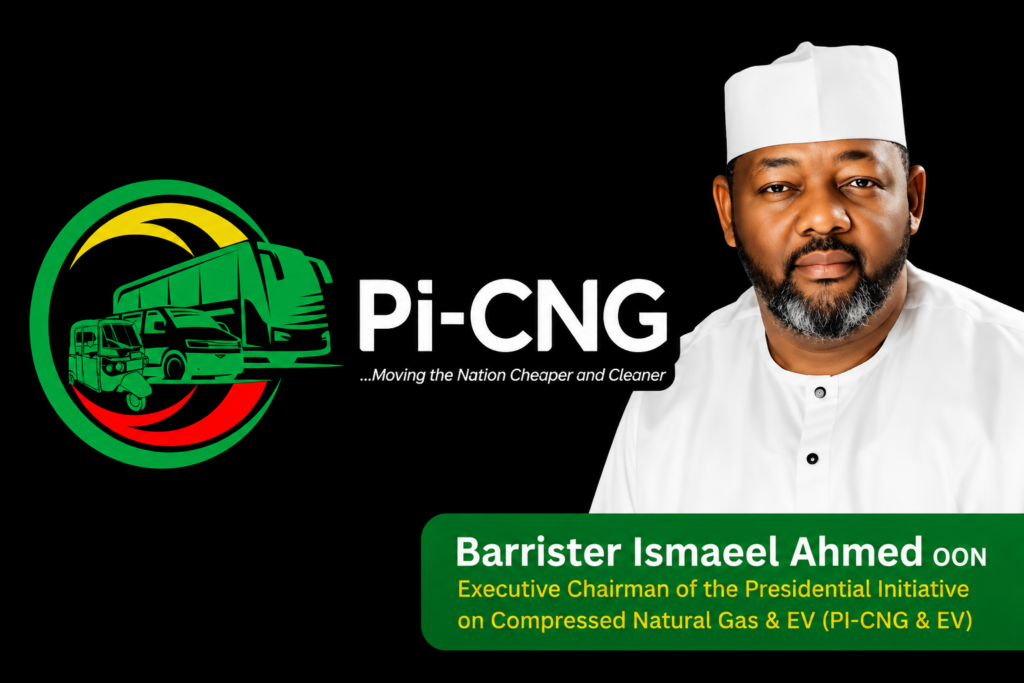
The Executive Chairman and Chief Executive Officer of the Presidential Initiative on Compressed Natural Gas and Electric Vehicles, Pi-CNG & EV, Barrister Ismaeel Ahmed, has said Nigeria’s transition to clean mobility is gathering momentum and will significantly reduce transport costs while strengthening energy security and creating economic opportunities.
Ahmed disclosed this on Thursday while delivering the keynote address at the 3rd Nigeria Auto Industry Summit, NAISU, organised by the Nigeria Auto Journalists Association, NAJA, in Lagos.
Speaking on the theme, “Nigeria’s Clean Mobility Future: The EV and CNG Journey Under the Bola Tinubu Administration,” he said clean mobility has moved beyond policy aspiration to become a major pillar of the Tinubu administration’s transport and energy agenda.
According to him, the Presidential Initiative was established to coordinate the country’s transition to cleaner transportation by building a robust ecosystem for both CNG and electric vehicles.
He explained that the mandate extends beyond promoting alternative fuels to include driving investment, expanding refuelling and charging infrastructure, supporting vehicle conversion, strengthening local manufacturing, building technical capacity, and boosting public confidence in clean mobility.
Ahmed said the programme was conceived following the removal of fuel subsidy to provide Nigerians with a more affordable transport alternative by leveraging the country’s abundant natural gas resources.
He added that the Initiative has been working with regulators, investors, vehicle manufacturers, conversion companies, financial institutions, development partners, transport unions, and state governments to build a sustainable clean mobility industry.
Giving an update on progress, Ahmed said Nigeria’s CNG ecosystem has recorded remarkable expansion in the last two years. He noted that the number of certified conversion centres has increased across the country, while public and private investments have accelerated the rollout of refuelling infrastructure.
He said vehicle conversions have continued to rise as commercial transport operators and private motorists embrace the cost-saving benefits of CNG, while thousands of technicians have been trained to ensure safe and professional services.
The Pi-CNG boss also announced that the Nigeria Gas Vehicle Monitoring System would soon be deployed to strengthen transparency, safety standards, regulatory oversight, and consumer confidence in the conversion industry.
On electric mobility, Ahmed said it remains a key priority of the Initiative. He disclosed that government is already engaging manufacturers, investors, and development partners on EV deployment, charging infrastructure, local assembly, and policy reforms.
Despite the gains, he identified infrastructure expansion, consumer financing, local manufacturing, skills development, research, innovation, and standardisation as areas requiring increased investment and collaboration.
Ahmed described the media as a critical stakeholder in the transition. He urged members of NAJA to intensify public enlightenment on the economic benefits, investment opportunities, safety standards, and emerging technologies driving clean mobility.
“The transition to clean mobility is as much an information challenge as it is an infrastructure challenge. Public understanding influences public acceptance, while market confidence is built on accurate, timely, and responsible information,” he said.
He pledged stronger engagement with journalists through regular technical briefings, industry dialogues, and improved access to reliable information to combat misinformation.
Looking ahead, Ahmed said the Presidential Initiative would continue to expand CNG infrastructure nationwide, strengthen the regulatory framework, deepen financing partnerships, promote local manufacturing and vehicle conversion, and work with stakeholders to build a commercially viable clean mobility ecosystem.
He said the true measure of success would not be the number of conversion centres or refuelling stations, but how effectively clean mobility reduces transport costs, creates jobs, stimulates industrial growth, enhances energy security, and improves the lives of Nigerians.
Ahmed commended NAJA for providing a platform for dialogue on the future of Nigeria’s automotive industry, adding that closer collaboration between government, industry, and the media would be crucial to achieving the country’s clean mobility vision.
